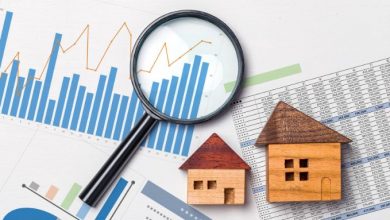
Renting vs Buying: Which Path Fits Your Lifestyle?
The decision to choose between renting and buying a home, commonly referred to as “renting vs buying,” is one of the most significant choices you’ll make in your life. It’s a complex process, filled with financial calculations, lifestyle considerations, and planning for the future. Not only will this decision impact your day-to-day living situation, but it will also have long-term financial implications that can affect your lifestyle and financial stability for years to come.
Both renting and buying have their own sets of advantages and disadvantages. The best choice for you hinges on various factors, including your current financial standing, personal lifestyle, and long-term plans. Some people might find renting more suitable for their transient lifestyle and financial constraints. Others might see home ownership as an investment or perhaps a symbol of personal achievement and status.
For some, renting offers a no-strings-attached kind of flexibility. But for others, the allure of owning a home, laying down roots in a community, and building equity over time can be quite appealing. Each path presents unique financial challenges and rewards. The decision between the two isn’t always clear-cut, and it often boils down to personal circumstances and preferences.
Renting a House
Renting means you pay a landlord a certain amount of money each month to live in the property. You do not own the property. Renting provides flexibility, allowing you to move at relatively short notice. This is particularly beneficial if your job or lifestyle requires frequent relocation.

Also, renting typically entails a smaller initial expenditure compared to buying a home. A security deposit is often refundable, and the first month’s rent is usually the primary upfront expense. This can be particularly beneficial for individuals who may not have substantial savings for a large down payment.
Another advantage of renting is fewer responsibilities. You are not responsible for maintenance or repairs, which are typically handled by the landlord. This can lead to significant savings in terms of both time and money.
However, Investopedia highlights a significant drawback to renting – the absence of equity building. Your monthly payments provide you with a place to live but do not contribute to any long-term investment.
Buying a House
Buying a house typically involves obtaining a mortgage loan from a bank or another institution. A significant advantage of buying a house is the sense of ownership and freedom it grants. Homeownership allows you to make any changes you like to the property, providing a sense of personal control you don’t have as a renter.
A fixed-rate mortgage guarantees constant monthly payments, which facilitates easier budget planning. This stability is a significant advantage by providing security and avoiding the uncertainty of rental increases. According to Zillow’s recent report, property values have generally increased over time. This means when you decide to sell, you could make a significant profit if your house has increased in value.
Owning a home tends to tie you to one location, and selling a house can take time. This could be a disadvantage if you prefer a more transient lifestyle or if your job requires you to move frequently.
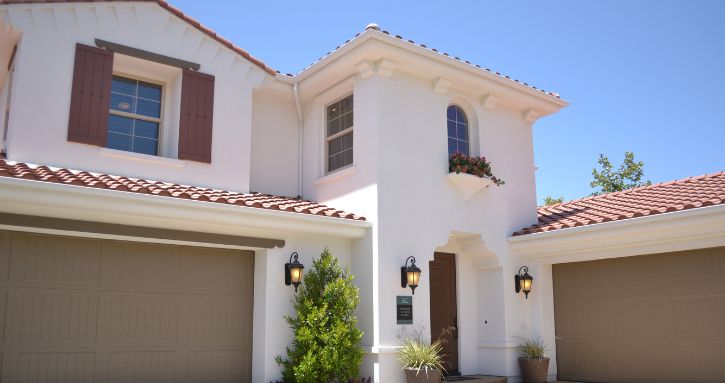
The upfront costs of buying a house, such as the down payment, closing costs, and inspection fees, can be substantial. This requires a considerable amount of savings and can be a significant barrier for many potential homebuyers.
As a homeowner, you’re responsible for all home maintenance, repairs, and updates. These additional costs can add up and should be considered when weighing the pros and cons of buying a home.
Conclusion
Deciding to rent or buy involves a careful examination of your financial health, lifestyle considerations, and future goals. Seek advice from real estate and financial professionals to guide you through this decision-making process. Remember, the right choice is what best suits you and promotes your personal and financial well-being.
Resources:
How to Decide: A Step-by-Step Approach
Working through the rent-versus-buy decision in a structured way can make it feel less overwhelming. Start by taking an honest look at your finances, including your income stability, existing debt, and how much you have saved for a down payment and closing costs. Next, think about your timeline. If you expect to stay in one place for only a year or two, renting is usually the safer bet, since the costs of buying and selling a home can outweigh any equity gains in a short window.
After that, compare the true monthly cost of each option in your local market, not just the sticker price of rent versus a mortgage payment. Factor in property taxes, homeowners insurance, maintenance, and potential homeowners association fees on the buying side, and renters insurance on the renting side. Finally, weigh the lifestyle factors that numbers alone cannot capture, such as how much you value flexibility, privacy, or the ability to personalize your living space.
Who Renting Makes Sense For
Renting tends to be a better fit for people who value mobility, whether that is for career opportunities, school, or simply the desire to try out different neighborhoods or cities before committing. It also suits those who are still building savings, working on paying down debt, or who have unpredictable income and would rather not take on a large fixed obligation like a mortgage.
Who Buying Makes Sense For
Buying tends to be a better fit for people who have a stable income, a solid emergency fund, and a clear plan to stay in one area for several years. It also appeals to those who want more control over their living space, are ready to take on the responsibilities of maintenance, and see long-term value in building equity rather than paying rent indefinitely.
Common Mistakes to Avoid
- Focusing only on the monthly payment. A mortgage payment that looks similar to your current rent can still leave you house poor once you add in maintenance, taxes, and insurance.
- Underestimating closing costs and moving expenses. Buyers often forget to budget for inspection fees, loan origination fees, and the cost of furnishing or repairing a new home.
- Buying before you are financially ready. Stretching your budget to qualify for a mortgage can leave little room for emergencies or unexpected repairs.
- Ignoring the local market. Rent-to-buy comparisons vary widely by city and even by neighborhood, so national averages do not always apply to your situation.
- Assuming renting is always “throwing money away.” Renting frees up cash that can be invested elsewhere, which can be a smart move depending on your goals.
Other Options Worth Considering
Renting and buying are not the only two paths available. Some people choose to rent out a spare room or a portion of their home to offset costs, sometimes called house hacking. Others explore rent-to-own arrangements, where a portion of rent payments may eventually count toward a future purchase, though these agreements can be complex and should be reviewed carefully. Co-buying a home with a family member or friend is another route some people take to lower the individual financial burden of homeownership.
Frequently Asked Questions
Is it ever better to rent even if I can afford to buy?
Yes. Affordability is only one part of the equation. If your job situation is uncertain, if you expect to relocate soon, or if you simply prefer the flexibility and lower responsibility that comes with renting, it can be the smarter choice even when buying is financially within reach.
How much should I have saved before buying a home?
Beyond the down payment, it is wise to keep an emergency fund that can cover several months of expenses, plus a cushion for closing costs and any immediate repairs the home might need. Exact amounts vary by lender and location, so it helps to talk with a mortgage professional about what applies to your situation.
Does renting ever make more financial sense than buying?
In some markets and situations, yes. If home prices are high relative to rents in your area, or if you would need to sell within just a few years, the math can favor renting once you account for transaction costs and maintenance on the buying side.
Can my credit score affect my rent-versus-buy decision?
Yes. A stronger credit score generally qualifies you for better mortgage terms, which can make buying more affordable. If your credit needs work, renting for a while as you improve your score may put you in a better position to buy later on more favorable terms.