Commodity Markets: Discovering Opportunities and Understanding Risks in Commodity Trading
In the world of investments, the commodity market holds a significant position. Trading commodities involves buying and selling basic goods or raw materials that find use in everyday life. These include items such as oil, gold, wheat, and more. Commodity trading has been around for centuries, even millennia, and contributes immensely to the global economy. It provides an avenue for investors to diversify their portfolios beyond traditional shares and bonds.
A Deeper Look into Commodity Trading
You’re buying or selling contracts for these goods when trading commodities. Some people trade commodities by purchasing physical goods and storing them, but this is less common due to storage and transportation costs. Instead, most commodity trading is speculative, where traders buy and sell contracts without intending to take delivery of the physical goods.
Types of Commodities Traded
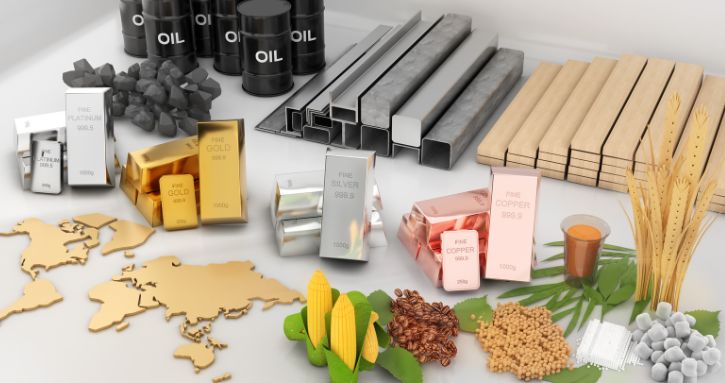
The canvas of commodities trading is vast and includes a variety of items. Energy commodities include crude oil, natural gas, and even coal, which are essential in powering economies around the world. Metals, such as gold, silver, and copper, are treasured for their use in jewelry, decorations, and various industrial applications.
Agricultural commodities are another crucial category, encompassing essential crops like wheat, corn, and soybeans, along with other products like cotton. Lastly, livestock and meat commodities include live cattle, lean hogs, and others, which are important for food supply chains. Each commodity has its own market dynamics, influenced by factors such as weather patterns, geopolitical events, and economic indicators.
Factors Affecting Commodity Prices
The prices of commodities can fluctuate based on a myriad of factors. Supply and demand dynamics are a significant driver. For example, weather conditions could damage a season’s crop yield, reducing supply, and causing prices to surge. On the other hand, advancements in farming technology could cause a boom in production, leading to a drop in prices due to increased supply.
Geopolitical events can also profoundly impact commodity prices. For example, political instability in an oil-producing nation could restrict supply and drive up global oil prices. Similarly, economic factors, such as inflation rates and currency exchange rates, can also cause considerable swings in commodity prices.
Strategies for Commodity Trading
Just like any form of trading, commodity trading also requires robust strategies. A popular strategy is ‘buy and hold,’ wherein you buy and hold onto a commodity with the hope that the price will rise over time. This strategy might suit commodities that are expected to appreciate due to long-term trends in supply and demand.
The ‘short selling’ strategy involves selling borrowed commodities with the intention of buying them back later when the price drops — a strategy often used in anticipation of falling prices. Another strategy is ‘spreading,’ where a trader buys one commodity and sells another, hoping to profit from price discrepancies.
Risks and Challenges in Commodity Trading
While commodity trading can be lucrative, it also carries inherent risks. Prices can oscillate wildly due to unexpected events, leading to potential losses. Also, commodities can be complex, with each having unique factors affecting its price. This complexity requires a deep understanding of the market and careful monitoring of global events.
Moreover, trading commodities speculatively requires a sound grasp of futures contracts and other financial instruments, which might be challenging for beginners. Regulations surrounding commodity trading can also vary by country, adding another layer of complexity to navigate.
How to Navigate the Commodity Market
While commodity trading presents a host of opportunities, it’s not for everyone. It suits investors who understand the market dynamics and are prepared to face the volatility and risks involved. Knowledge, research, and a well-thought-out trading strategy are essential for anyone looking to step into the realm of commodity trading.
Further resources like Investopedia offer comprehensive guides for those seeking to expand their understanding of commodity trading. Remember, effective trading isn’t just about spotting opportunities but also about managing risks.
Thinking about Forex Trading? Read this simple guide for beginners.
Resources:
Getting Started with Commodity Trading: A Step-by-Step Approach
If you are new to this market, break the process into manageable steps rather than jumping in all at once. Start by learning how contracts work and how prices are quoted, since commodity markets often use different terminology than stock trading.
- Educate yourself first on the specific commodity you are interested in before risking money.
- Choose a platform that offers the type of exposure you want, whether futures, options, or commodity funds.
- Start small while you learn how the market moves, rather than committing a large share of your portfolio.
- Practice with a demo account if one is available, so you can test strategies without financial risk.
- Set clear entry and exit rules before you place a trade, including a plan for taking profits or cutting losses.
Common Mistakes to Avoid
- Overleveraging. Futures often let traders control large positions with a small amount of capital, which can amplify losses as well as gains.
- Skipping diversification. Putting most of your capital into one commodity leaves you exposed if that market moves against you.
- Trading without a plan. Entering positions based on headlines or impulse rather than a defined strategy tends to produce inconsistent results.
- Overlooking contract details. Contract size, expiration, and delivery terms vary by commodity and can surprise beginners.
Commodities Compared to Other Investment Options
Commodities behave differently from stocks and bonds, which is part of why investors use them for diversification. Stocks represent ownership in a company and their value is tied to business performance, while bonds are essentially loans that pay interest. Commodities are tied instead to the physical supply and demand of raw materials, so their prices often respond to different forces, such as weather and production levels.
For investors who want commodity exposure without directly trading futures contracts, commodity-focused exchange-traded funds and mutual funds offer a simpler alternative. These funds pool money to invest in commodities or related companies, which can reduce some of the complexity, though they still carry their own risks and fees.
Who Commodity Trading Tends to Suit Best
Commodity trading tends to appeal to long-term investors who want to diversify a broader portfolio and hedge against inflation, as well as active traders who are comfortable with short-term volatility and enjoy analyzing supply and demand trends. Producers and businesses, such as farmers or energy companies, also use commodity contracts to hedge against price swings in the goods they rely on. Beginners with a low tolerance for risk or little time to monitor markets may find steadier forms of investing a better fit.
Frequently Asked Questions
Do I need a lot of money to start trading commodities?
Not necessarily. Many brokers offer smaller contract sizes or commodity funds that let investors start with a modest amount, though futures trading can still require meeting margin requirements.
Is commodity trading safe for beginners?
It is generally considered higher risk than traditional investments like index funds, mainly due to price volatility and leverage. Beginners are usually encouraged to start with education, small positions, and a clear risk management plan.
Can I trade commodities through a regular brokerage account?
Many mainstream brokerages now offer access to commodity-related products, such as futures, options, or commodity ETFs, though specialized futures trading may require a separate account with a broker that focuses on that market.
How is commodity trading different from investing in commodity stocks?
Trading commodities directly means buying or selling contracts tied to the raw material itself, while commodity stocks are shares of companies that produce or process those materials, such as mining or energy companies. Those stocks are also influenced by company-specific factors like management and earnings, not just the commodity’s price.